ADVANCED CERAMICS
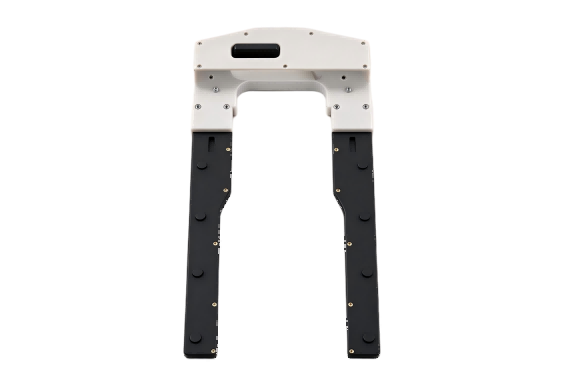
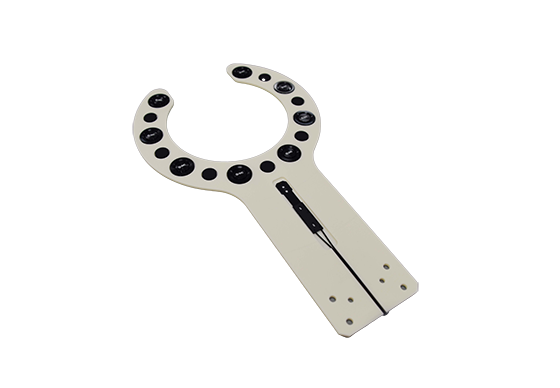
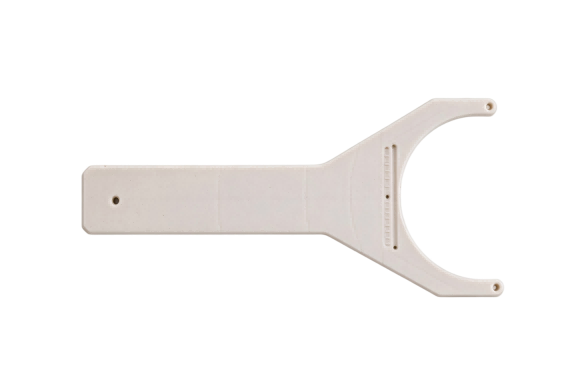
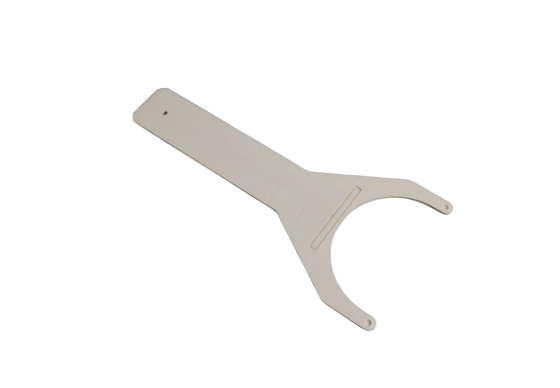
Alumina ceramic vacuum fingers are designed for contact and suction applications in automated handling. They are made from alumina ceramic and can be structurally customized using processes such as 3D printing. The specific material grade, surface condition, cleanliness requirements, and suction method must be confirmed based on the workpiece and equipment.
Material: Alumina, approximately 99% according to available information;
Name: Alumina vacuum suction finger;
Form: A custom finger structure with a vacuum port, suction surface, or internal air passages;
Process: 3D printing, along with any necessary sintering and post-processing;
Specifications: Port, suction surface, overall dimensions, tolerances, and surface requirements to be confirmed against drawings.
Semiconductors: Contact or suction applications in processes such as wafer handling and lithography.
Electronics manufacturing: Chip packaging, component sorting, and precision assembly.
New energy: Cleaning, handling, and positioning of workpieces such as silicon wafers and battery cells.
Medical/chemical: Material transfer in cleanrooms; media and cleanliness requirements must be confirmed.
Optics: Clamping, transfer, and positioning of precision workpieces such as lenses.
One-piece construction and topology-based structures can support lightweight designs; the actual weight reduction must be confirmed against drawings and sample parts. Internal air passages can reduce dissimilar-material interfaces found in conventional bonded structures, lowering the potential risk of contamination, delamination, and air leakage; actual airtightness must be tested. Flow channels and outlet holes can be designed based on a digital model to help improve airflow distribution and suction consistency; specific pressure, flow rate, and suction force must be verified.
Key design considerations include the vacuum port, suction surface, workpiece contact method, cantilever load, edge condition, assembly clearance, air supply conditions, and cleanliness requirements. Ceramic components should be protected from impact, eccentric loading, and localized stress concentrations.
For a quotation, we recommend providing product drawings or sketches, critical dimensions and tolerances, material grade, operating temperature, load, media, assembly method, surface requirements, quantity, and inspection standards. This information will help us determine the material, structure, and processing route.