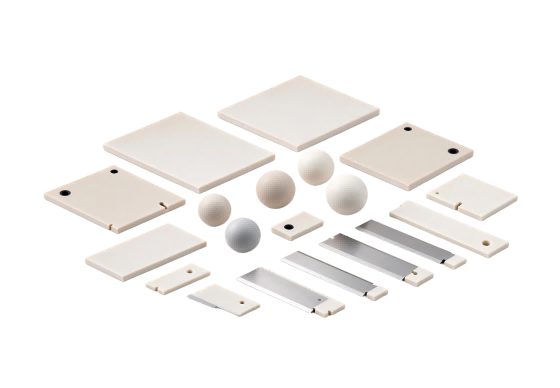
Product Description
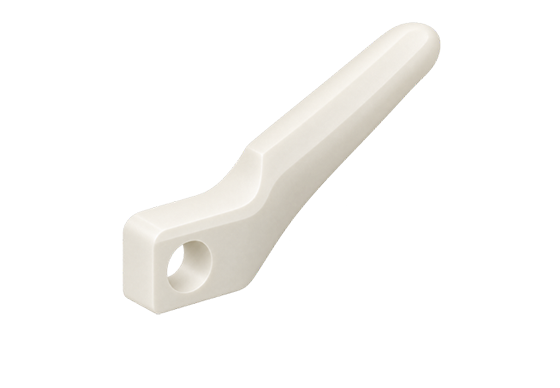
Alumina ceramic fingers are intended for precision component applications requiring wear resistance, electrical insulation, or thermal stability. Because the current information does not specify the exact structure, contact counterpart, load, or operating environment, the actual design should be evaluated based on the drawing, force direction, assembly method, temperature, and medium to confirm the material grade, structural details, and manufacturing suitability.
Basic Information
- Product name: Ceramic finger
- Material: Alumina ceramic; the specific alumina grade must be confirmed based on operating conditions
- Product category: Alumina ceramic
- Structural status: The exact shape, interfaces, hole locations, and dimensions of the finger-shaped component must be confirmed against the drawing
- Manufacturing and inspection: Suitable processes and inspection plans are evaluated based on structural complexity, dimensional tolerances, surface requirements, and quantity
Applications and Use
- Workpiece-contact, positioning, or handling components in automation equipment; the contact counterpart and load must first be confirmed
- Precision mechanism components requiring electrical insulation; specific insulation requirements should be confirmed based on the system design
- Mechanism components subject to sliding, friction, or contact wear; the mating material and wear mode must be evaluated
- Internal structural components of equipment subject to temperature changes; thermal cycling and assembly clearances must be checked
- Custom ceramic components for clean or precision manufacturing equipment; cleanliness, surface, and medium requirements must be confirmed separately
Performance and Structural Selection
Performance:
- When the material grade is matched to the contact conditions, it can provide a reliable material basis for wear resistance and electrical insulation.
- Careful design of fillets, thin walls, holes, slots, and assembly clearances helps reduce localized stress concentrations and the risk of edge chipping.
- Selection and validation based on temperature, medium, and load can improve the component’s suitability and operational stability under the intended conditions.
Structural selection: Alumina ceramic is the material option; the appropriate grade can be confirmed based on contact, wear, and thermal conditions. It offers material properties such as hardness, wear resistance, electrical insulation, and thermal stability, making it suitable for engineering components that require material stability. Structural design should account for ceramic brittleness, weak cross-sections, sharp corners, holes, slots, and localized stress to reduce the risk of damage during assembly and use. Custom evaluation based on component drawings, contact method, load, temperature, and medium is supported; specific performance is subject to the confirmed design and inspection requirements. Structural dimensions, tolerances, mounting method, operating temperature, load, and medium conditions must be confirmed based on the drawing and actual operating conditions.
Quote Requests and Customization
When requesting a quote, please provide the product drawing or sketch, key dimensions and tolerances, material grade, operating temperature, load, medium, assembly method, surface requirements, quantity, and inspection standards to help confirm the material, structure, and machining route.