ADVANCED CERAMICS
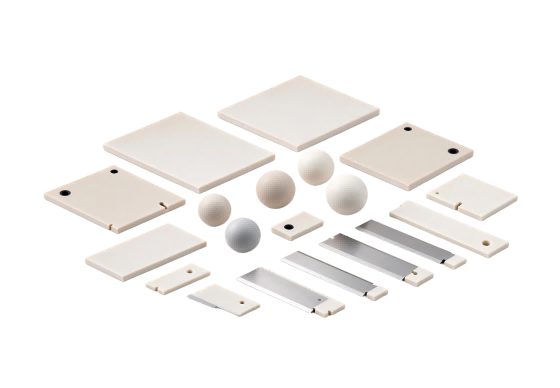
Firing setter plates, filters, and exchangers are potential options for alumina ceramic components, suitable for structural designs requiring heat resistance, wear resistance, or electrical insulation. The specific supply form, material grade, pore or flow-channel structure, and compatibility with the medium, temperature, and load must be confirmed based on the drawings and actual operating conditions.
Product name: Firing Setter Plate/Filter/Exchanger
Product category: Alumina ceramics
Material: Alumina ceramics; specific grade, purity, and performance level to be confirmed
Structure and process: The form and manufacturing process of the firing setter plate, filter, or exchanger are evaluated based on the drawings, production volume, and operating conditions
Information for quotation: We recommend providing product drawings, medium details, operating temperature, load, and installation method
Used in firing, support, and isolation structures for ceramic, powder, or electronic materials processes; specific temperature and load requirements must be confirmed.
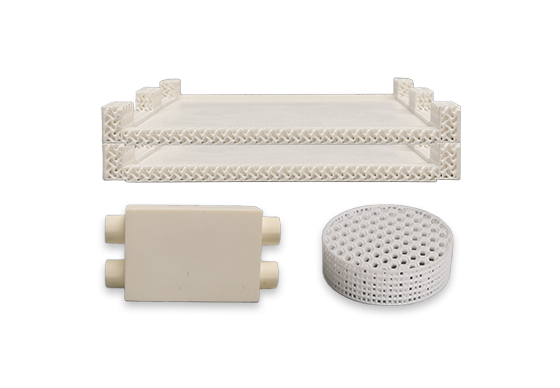
Used in filter component designs requiring the retention of solid particles or distribution of a medium; pore structure and filtration requirements must be evaluated separately.
Used in components for heat or mass exchange between gaseous or liquid media; flow channels, sealing, and media compatibility must be verified.
Used in wear-resistant or electrically insulating ceramic structural components for semiconductors, electronics manufacturing, and other precision equipment; equipment interfaces must be matched.
Used to select custom ceramic components for high-temperature, clean, or chemical-contact environments; suitability for the actual environment must be validated under operating conditions.
Performance:
Proper selection of alumina ceramics and structural form can provide a stable foundation for support, isolation, or media flow paths in firing, filtration, or exchange processes.
Matching the structure to the medium, temperature, load, and installation method helps reduce the effects of thermal, mechanical, and assembly factors on component performance.
Once the drawings, material grade, and surface requirements are defined, they can provide a traceable basis for equipment integration, maintenance and replacement, and batch consistency evaluation.
Structural Selection: Alumina ceramic substrates can be evaluated for applications requiring heat resistance, wear resistance, and electrical insulation; actual performance depends on the material grade and processing condition. Firing setter plates, filters, and exchangers have different structural requirements; product form, interfaces, and internal construction must be confirmed against the application drawings. The porosity, channels, and effective flow capacity of filtration and exchange components cannot be inferred from the product name alone; design evaluation must account for the medium, flow rate, and pressure differential. Ceramic components are hard and brittle, so edges, holes and slots, wall thickness, assembly clearances, and localized loads require particular attention during structural design. Dimensions, tolerances, installation method, operating temperature, load, and medium conditions must be confirmed based on the drawings and actual operating conditions.
For a quotation, we recommend providing product drawings or sketches, critical dimensions and tolerances, material grade, operating temperature, load, medium, assembly method, surface requirements, quantity, and inspection standards to help determine the material, structure, and machining route.